


BASED IN BARBADOS
Loading cart

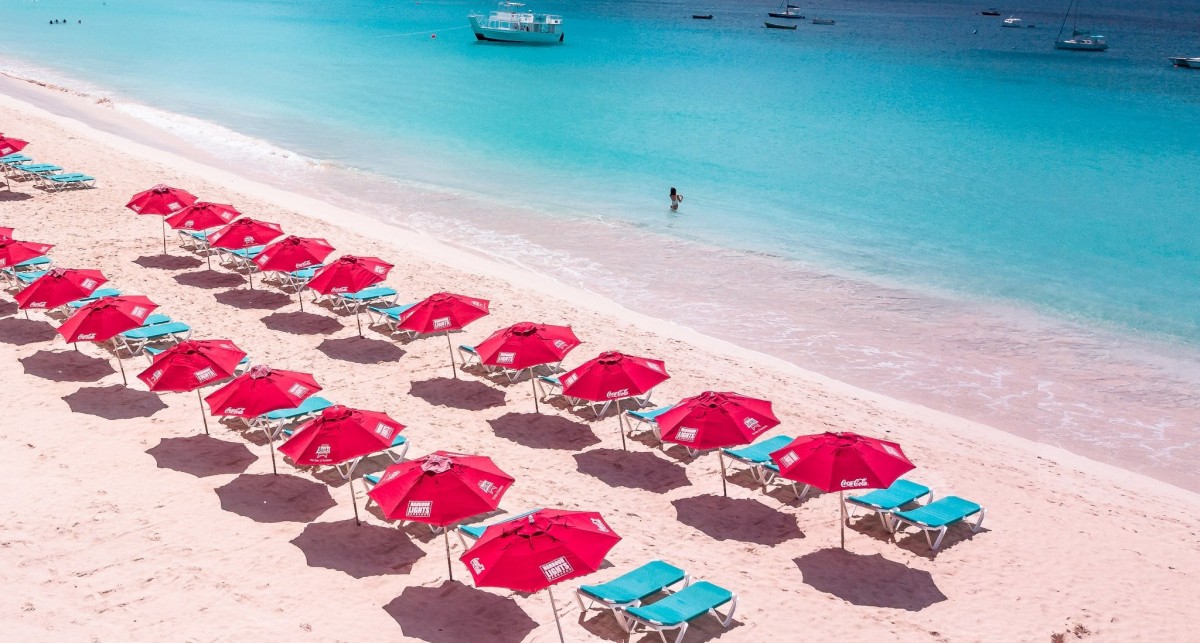
Carlisle Bay has a rich and fascinating history that stretches from British colonial times to its present status as a protected marine park and beloved beach destination. Once a bustling harbour and military zone, the bay is now known for its calm waters, historical shipwrecks, and vibrant marine life—all of which you can explore just steps from Harbour Lights.
Carlisle Bay may be a picture of tranquillity today, but its past tells a story of commerce, colonial influence, and sea-bound legacy. This beautiful stretch of Barbados’ coastline is steeped in heritage, both above and below the surface.
Carlisle Bay’s name dates back to the 17th century, named after the Earl of Carlisle, who was granted ownership of the island by King Charles I of England. It quickly became an essential anchorage point for ships arriving from across the Atlantic. The bay’s naturally sheltered waters made it a strategic naval and trading hub for the British Empire throughout the colonial era.
Throughout the 18th and 19th centuries, Carlisle Bay was used extensively by merchant ships and war vessels alike. The surrounding area housed military barracks, supply depots, and customs buildings, many of which still exist today in nearby Bridgetown. As ships came and went, some met unfortunate ends—sinking during storms or due to accidents—and their wreckage now lies quietly on the seabed.
Today, these remnants of Carlisle Bay’s naval and trade history are key features of the area’s underwater appeal. Several of the sunken ships have become artificial reefs, providing both a historical narrative and a haven for marine life. These relics of the past are now explored by snorkellers and divers who come to experience the stories embedded in the sea.
Carlisle Bay is one of the few places in the Caribbean where history and nature intertwine so visibly. It serves as both a cultural landmark and a marine conservation zone, drawing history buffs and nature lovers alike.
Here’s why it continues to capture the imagination:
Colonial Significance: Once the island’s main harbour and naval stronghold.
Sunken Treasures: Home to six shipwrecks dating back over 100 years.
UNESCO Connection: Located near historic Bridgetown, a UNESCO World Heritage Site.
Marine Reserve: Now part of a protected park to preserve its ecology and history.
Cultural Events: The site of beach festivities and heritage celebrations.
Era | Key Event/Feature | Legacy Today |
1600s | Named after the Earl of Carlisle | Name remains; start of colonial use |
1700s–1800s | Naval and trade activity | Historic shipwrecks |
Early 1900s | Decline of harbour use | Shift to tourism and preservation |
Late 20th century | Establishment of marine reserve | Conservation and eco-tourism |
Present Day | Popular beach and snorkelling destination | Cultural hub via Harbour Lights |
To truly experience the legacy of Carlisle Bay, there’s no better place to start than Harbour Lights. With beachfront access to the bay’s shipwrecks and guided snorkelling tours, you can literally dive into its past and explore the fascinating stories beneath the waves.
Why is Carlisle Bay called that?
It was named after the Earl of Carlisle, a key figure in the colonial history of Barbados during the 17th century.
How many shipwrecks are in Carlisle Bay?
There are six known wrecks, all easily accessible to snorkellers and divers.
Is Carlisle Bay part of a marine park?
Yes, it is within a protected marine reserve designed to preserve both historical artefacts and marine biodiversity.
Can I visit historical sites near the bay?
Absolutely! Nearby Bridgetown is home to many colonial buildings and is a UNESCO World Heritage Site.
What’s the best way to explore the shipwrecks?
The safest and most enjoyable way is by booking a guided snorkelling tour with Harbour Lights.


